Rummy How-To: Build a Simple Turn Decision Tree
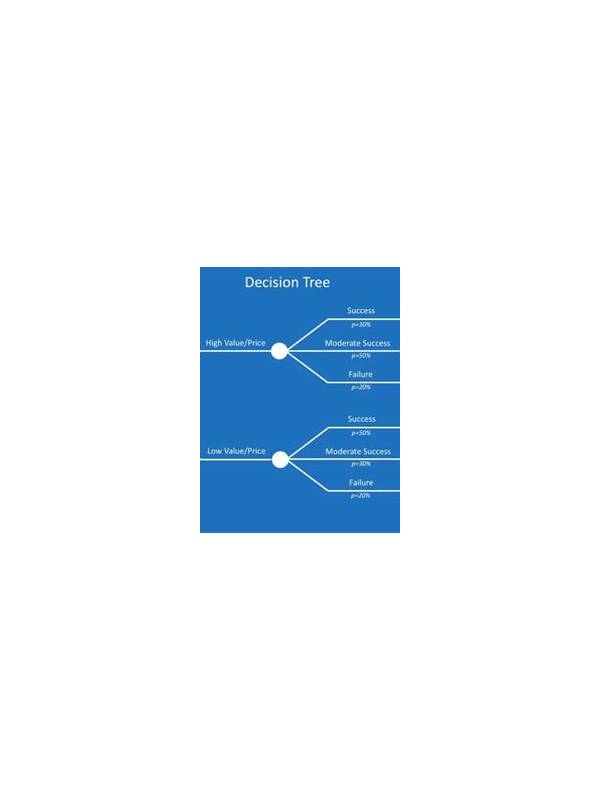
A turn in rummy can feel complicated because several questions arrive at once: what should be drawn, what should be kept, and what should be discarded? A compact decision tree reduces the load. It does not calculate every possible outcome. It ensures that the most important checks happen in a sensible order.
Begin at the first branch: does the visible draw immediately improve a legal meld or a strong route? If yes, take a moment to confirm that using it will not destroy a better structure. If no, compare it with the closed draw or the other available option according to the rules of the table. Do not decide from appearance alone; identify the exact group or sequence the card supports.
The second branch concerns commitment. After the draw, does your hand now have a clear route with a fallback? If it does, preserve the route while removing the weakest card. If it does not, avoid forcing a narrow plan. Keep cards with more than one realistic job and release cards that are costly, isolated, or dependent on one unlikely draw.
The third branch is opponent safety. Before discarding, ask whether the card obviously completes a pattern suggested by recent discards or pickups. You cannot read an opponent perfectly, but you can avoid handing over a card that is both useful to them and replaceable for you. If your discard choices are close, choose the one that gives away less information.
The final branch is the exit check. If the hand is close to completion, verify the legal requirements before taking a risky action. A visually neat hand is not necessarily a valid declaration. Confirm required sequences, groups, and joker treatment according to the rules you are playing.
Write the tree as four prompts: improve, commit, protect, verify. Practice saying them quietly before acting. With repetition, the prompts become a habit and take only a few seconds. Review turns where you made a mistake and identify which branch was skipped. This makes the decision tree a learning tool rather than another rigid formula. Its purpose is calm consistency under incomplete information.
You can shorten the tree for fast tables by using one word for each branch. “Improve” identifies the best draw, “commit” checks the route, “protect” tests the discard, and “verify” guards the rules. The words are not meant to delay play. They are memory hooks that help you notice when excitement or time pressure has removed an important check.