Rummy How-To: Count Unseen Suits Without Overcounting
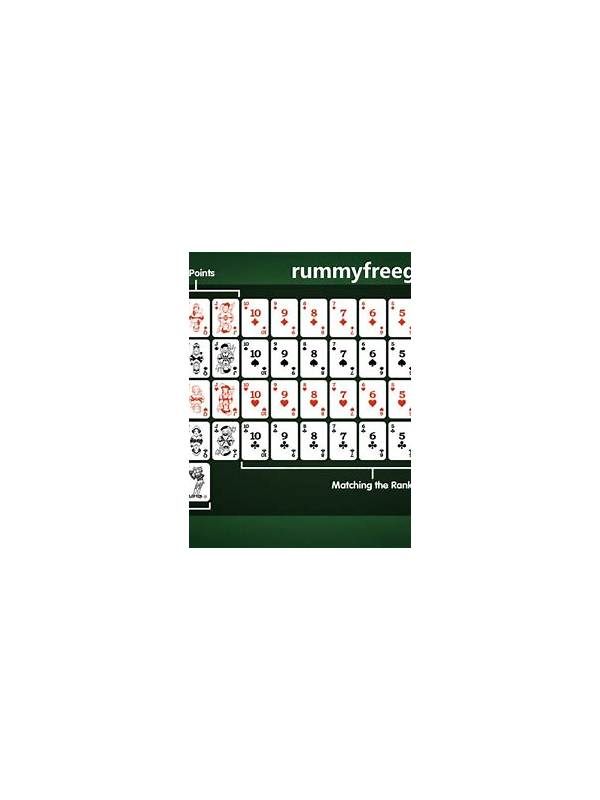
Counting unseen cards can sharpen a rummy decision, but it is easy to pretend that an estimate is certain. The useful question is not “where is every card?” It is “which visible cards reduce the number of realistic ways my hand can improve?” A simple suit count keeps the exercise focused.
First, list the cards of the suit that matters in your hand. Mark any visible cards from the discard pile or completed public groups. Do not assume that an unobserved card is available; call it unseen. Then write the specific ranks your route needs. A hand holding six and seven of diamonds may need five or eight for a short run, but a nine might also matter if another card is already present. Define the route before counting.
Next, separate direct outs from broad possibilities. A direct out immediately creates a useful combination. A broad possibility keeps a route alive but still needs another card. This distinction prevents a hand from looking stronger simply because many cards are technically related. A flexible card can be valuable, yet it is not the same as a completed meld.
Avoid double counting. If the same rank could help two routes, count it once in the total number of unseen cards and then note that it has two roles. Likewise, a joker may help several structures, but it is still one card and may have a table-specific restriction. Keep a short list rather than a detailed probability model unless the rules and deck information justify one.
Update only when new public information arrives. A discarded card removes one possibility from your estimate, but it may also tell you something about an opponent’s plan. If a card is taken from the discard pile, remove it from the unseen set and avoid treating it as available elsewhere. When you are uncertain whether a visible card belongs to a completed group, do not count it as confirmed evidence.
Use the count to compare actions, not to guarantee an outcome. If one discard preserves five direct outs and another preserves two, the first has a structural advantage. But points, table pace, opponent information, and required sequences may outweigh the count. A small, honest estimate is better than a precise-looking number based on hidden assumptions.